
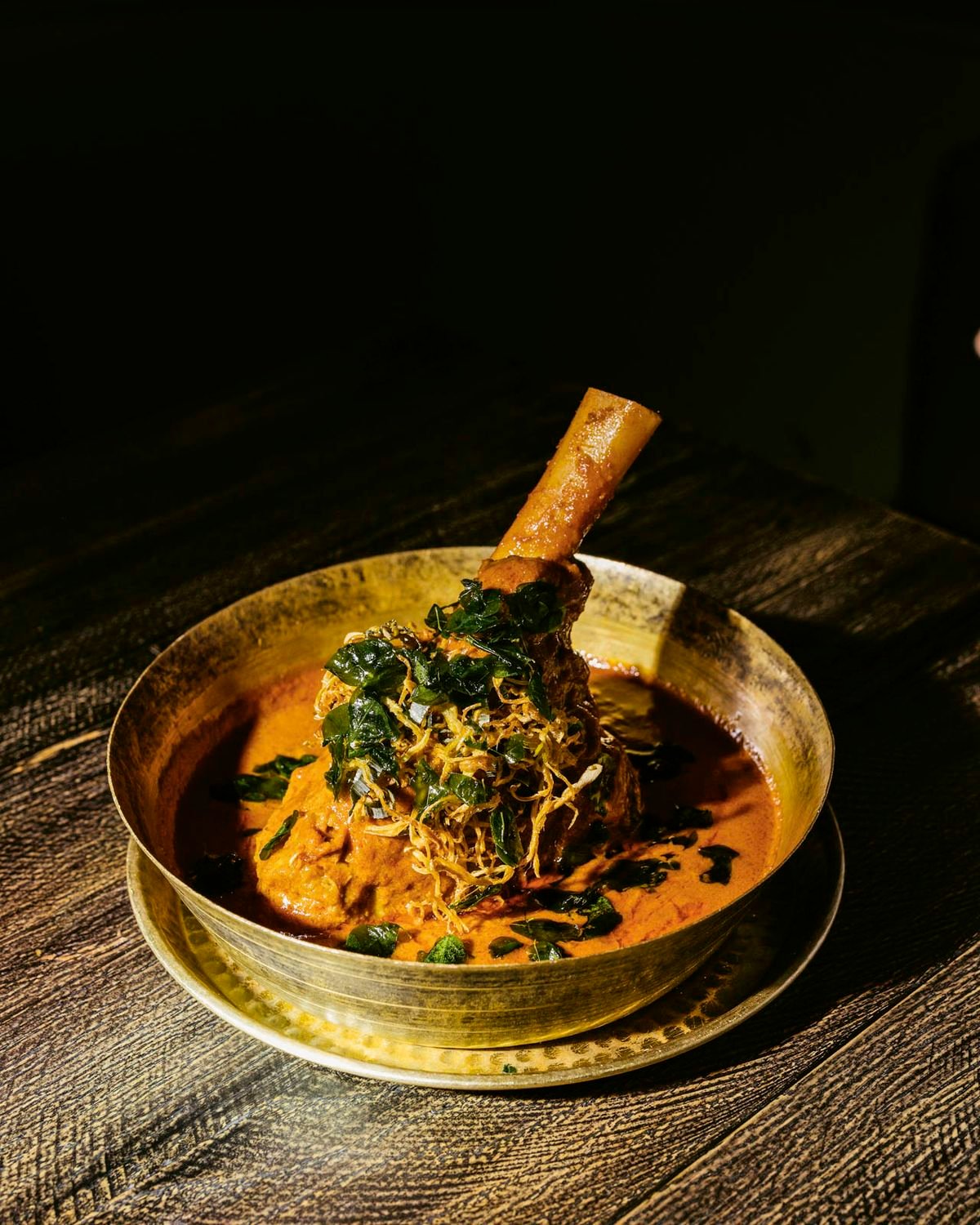
Finding truly traditional Indian dishes outside their original regions can be challenging. Many diners are familiar with popular favorites like biryani, butter chicken, and kebabs, but regional specialties such as Authentic Goat Paya in Iselin, NJ represent a deeper connection to culinary history. This slow-cooked dish reflects generations of cooking techniques where patience, carefully selected spices, and traditional methods create flavors that cannot be achieved through shortcuts.
For people searching for Goat Paya in Iselin, NJ, the interest often comes from curiosity about a dish that is rich, comforting, and rooted in South Asian food traditions. Whether someone is exploring Hyderabadi Cuisine Iselin, NJ, looking for unique Indian Non Veg Dishes Iselin, NJ, or searching for a memorable Indian Dinner in Iselin, NJ, understanding the story behind goat paya makes the dining experience more meaningful.
What Is Goat Paya and Why Is It Special?
Goat Paya is a traditional South Asian dish made using goat trotters that are slowly cooked with aromatic spices, herbs, and seasonings until the broth develops a rich texture and deep flavor. The dish is valued for its comforting qualities, traditional preparation method, and connection to regional Indian and Hyderabadi cuisine.
The word “paya” refers to trotters or feet, which are known for creating a naturally rich broth when cooked slowly. Unlike quick curries, goat paya requires time because the goal is to extract flavor from the bones, connective tissues, and spices.
The finished dish typically features:
A flavorful, slow-simmered broth
Tender goat trotters
Aromatic spices
Ginger and garlic
Whole spices
Fresh herbs
A warming, comforting texture
For many South Asian families, goat paya is more than a meal. It represents tradition, celebration, and recipes passed through generations.
The Cultural History Behind Traditional Goat Paya
Goat paya has roots across South Asia, especially in regions influenced by Mughlai, Hyderabadi, and North Indian culinary traditions. Historically, slow-cooked dishes like paya were valued because they transformed humble ingredients into deeply flavorful meals through careful preparation.
Why Were Slow-Cooked Dishes Important?
Before modern cooking equipment, slow simmering was one of the best ways to develop flavor while making tougher cuts of meat tender. Traditional cooks used long cooking times, low heat, and spice combinations to create nourishing dishes that could feed families and communities.
This tradition continues today. Many regional Indian dishes rely on patience rather than complicated techniques.
Goat paya represents this philosophy perfectly because its character comes from time. The longer cooking process allows spices, broth, and meat flavors to blend naturally.
How Slow Cooking Creates the Signature Flavor
Slow cooking makes goat paya special because it allows collagen, spices, and natural flavors from the goat trotters to gradually blend into a rich and flavorful broth. The extended cooking process creates a smooth texture and deeper taste compared with faster curry preparation methods.
The preparation usually begins with cleaning and seasoning the goat trotters before they are simmered with ingredients such as:
Ginger
Garlic
Onions
Cardamom
Cinnamon
Cloves
Black pepper
Chili
Garam masala
The result is a dish with layers of aroma and warmth. The broth develops a silky consistency, while the spices create complexity without overpowering the natural flavor of the goat.
The Importance of Collagen
One reason goat paya has its distinctive texture is collagen. During slow cooking, collagen gradually breaks down into gelatin, creating a richer mouthfeel and adding body to the broth. This natural process is why slow-cooked soups and stews often feel more satisfying than quickly prepared dishes.
What Makes Authentic Goat Paya Different?
Authentic goat paya is not simply a spicy goat curry. The biggest difference is the cooking approach.
A traditional Goat Trotters Curry Iselin, NJ should focus on:
Deep, aromatic broth
Balanced spices
Tender texture
Slow preparation
Traditional seasoning
Unlike thick meat gravies where the sauce is the main focus, goat paya highlights the broth itself. The spices support the dish rather than covering its natural character.
Goat Paya Is Often Enjoyed as Comfort Food
In many communities, goat paya is enjoyed during colder months, weekend breakfasts, family gatherings, and special occasions. Some diners enjoy it with naan, while others pair it with rice or traditional breads.
Its versatility allows it to fit different dining occasions, from a comforting weekend meal to a special family dinner.
Where House of Biryanis and Kebabs Fits Into the Experience
After understanding the tradition behind goat paya, diners often look for restaurants that offer authentic regional Indian dishes alongside familiar favorites.
House of Biryanis and Kebabs Iselin provides a menu featuring biryanis, kebabs, curries, appetizers, and other Indian specialties. For guests exploring Authentic Indian Cuisine Iselin, NJ, a diverse menu allows families and groups to discover different regional flavors in one dining experience.
For those searching Indian Restaurant Near Me, Indian Food Near Me Iselin, NJ, or a Halal Indian Restaurant Iselin, NJ, dishes like goat paya offer an opportunity to explore beyond common menu choices.
What Should First-Time Visitors Know Before Ordering Goat Paya?
Goat paya has a richer broth and a different eating experience from a standard meat curry. First-time diners should expect goat trotters cooked slowly with aromatic spices rather than large boneless pieces of meat. Pairing the dish with naan or another bread makes it easier to appreciate the flavorful broth.
For someone trying Traditional Goat Paya Iselin, NJ for the first time, the texture is worth understanding. Because the dish is cooked with bones and connective tissue, it has a fuller, silkier consistency than many everyday curries.
The spice profile can also vary. Some preparations emphasize black pepper and warming whole spices, while others have a stronger chili presence. If you are sensitive to heat, asking about the preparation before ordering can help.
What Goes Well With Goat Paya?
Goat paya works especially well with bread because the bread absorbs its richly seasoned broth. Naan provides a soft, chewy contrast, while other traditional flatbreads can offer a slightly firmer texture.
For a larger Indian Dinner in Iselin, NJ, diners can pair paya with a lighter appetizer and rice or biryani. The key is balance. Because paya already has considerable depth, pairing it with several equally rich curries can make the meal feel unnecessarily heavy.
For groups, consider combining:
Goat Paya with naan or another bread
A grilled or kebab-style appetizer
Vegetable or paneer preparation
Biryani or rice for sharing
Raita or another cooling accompaniment
This combination introduces contrasting textures while giving everyone at the table options.
Is Goat Paya Traditionally a Breakfast or Dinner Dish?
Goat paya can be eaten at different times of day depending on regional and family traditions. In parts of South Asia, it has long been associated with substantial breakfasts, especially on weekends and special occasions. Today, restaurants may serve it as a lunch or dinner specialty as well.
This is an interesting distinction for diners searching for a Traditional Indian Breakfast Iselin, NJ. Indian breakfast does not always mean dosa, idli, poha, or lighter foods. Regional breakfast traditions can include slow-cooked meat dishes served with bread.
For modern diners in Iselin, paya can work equally well as a leisurely weekend meal or part of a shared dinner.
How Can You Tell If Goat Paya Has Been Cooked Properly?
Well-prepared Slow Cooked Goat Paya Iselin, NJ should have a broth with noticeable body rather than tasting thin or watery. The spices should be aromatic and integrated, and the meat and connective tissue around the trotters should be tender after extended cooking.
The aroma should reveal ginger, garlic, toasted spices, and slow-cooked meat without one ingredient overwhelming everything else.
This balance matters. Paya is not intended to taste simply “hot.” Its complexity comes from gradual extraction and slow cooking, with heat forming only one part of the overall flavor profile.
Goat Paya in Iselin's Diverse Indian Food Scene
Iselin's Indian dining culture makes regional dishes particularly relevant. Families looking for familiar flavors, diners exploring South Asian cuisine, and groups gathering for weekend meals may all approach a dish such as paya differently.
At House of Biryanis and Kebabs Iselin, goat paya can be considered alongside the restaurant's broader Indian menu. That makes it possible for one person to explore a traditional goat preparation while others choose biryani, kebabs, curries, or vegetarian dishes.
This flexibility is useful for Weekend Dining Iselin, NJ and family meals, particularly when different generations have different preferences. It can also make regional dishes more approachable for someone who wants to try something new without committing the entire table to the same choice.
For takeout customers searching for Goat Paya Near Me, Indian Takeout Iselin, NJ, or Indian Food Delivery Iselin, NJ, remember that broth-based dishes should ideally be reheated gently so their texture and aroma remain intact.
Frequently Asked Questions
Goat paya has a deep, savory flavor developed through long cooking with goat trotters, ginger, garlic, onions, and aromatic spices. Its broth is generally richer and silkier than an ordinary curry because collagen breaks down during cooking. Depending on the recipe, the flavor may range from moderately spiced and aromatic to noticeably hot and peppery.
No. Traditional goat curry usually features pieces of goat meat cooked in a seasoned gravy, while paya specifically centers on goat trotters and the broth created by slowly cooking them. The extended simmer gives paya its characteristic body and texture. Both use Indian spices, but their ingredients, cooking process, texture, and overall eating experience are different.
Bread is one of the most practical accompaniments because it can soak up the richly flavored broth. Naan and other Indian flatbreads work particularly well. For a larger meal, paya can also be accompanied by rice, biryani, kebabs, a vegetable preparation, or a cooling yogurt-based side to provide contrast and balance.
It can be an excellent family-style dish, particularly for diners already familiar with traditional South Asian cooking. For groups containing first-time diners or children, consider ordering paya alongside more familiar dishes such as biryani, naan, grilled appetizers, paneer, or mild curries. This gives everyone choices while providing an opportunity to experience a regional specialty.
A Traditional Dish That Continues to Connect Generations
For diners searching for Authentic Goat Paya in Iselin, NJ, the dish offers something different from the better-known biryanis, kebabs, and curries of Indian restaurant menus. Its appeal comes from slow cooking, carefully layered spices, the distinctive richness created by goat trotters, and a culinary tradition shaped over generations.
At House of Biryanis and Kebabs, paya is particularly relevant to diners who enjoy exploring regional Indian cooking and to families who want traditional dishes alongside more familiar choices. Within Iselin's diverse Indian food landscape, Goat Paya also serves as a reminder that some of the cuisine's most meaningful dishes are defined not by elaborate presentation, but by patience, technique, and the preservation of food traditions.